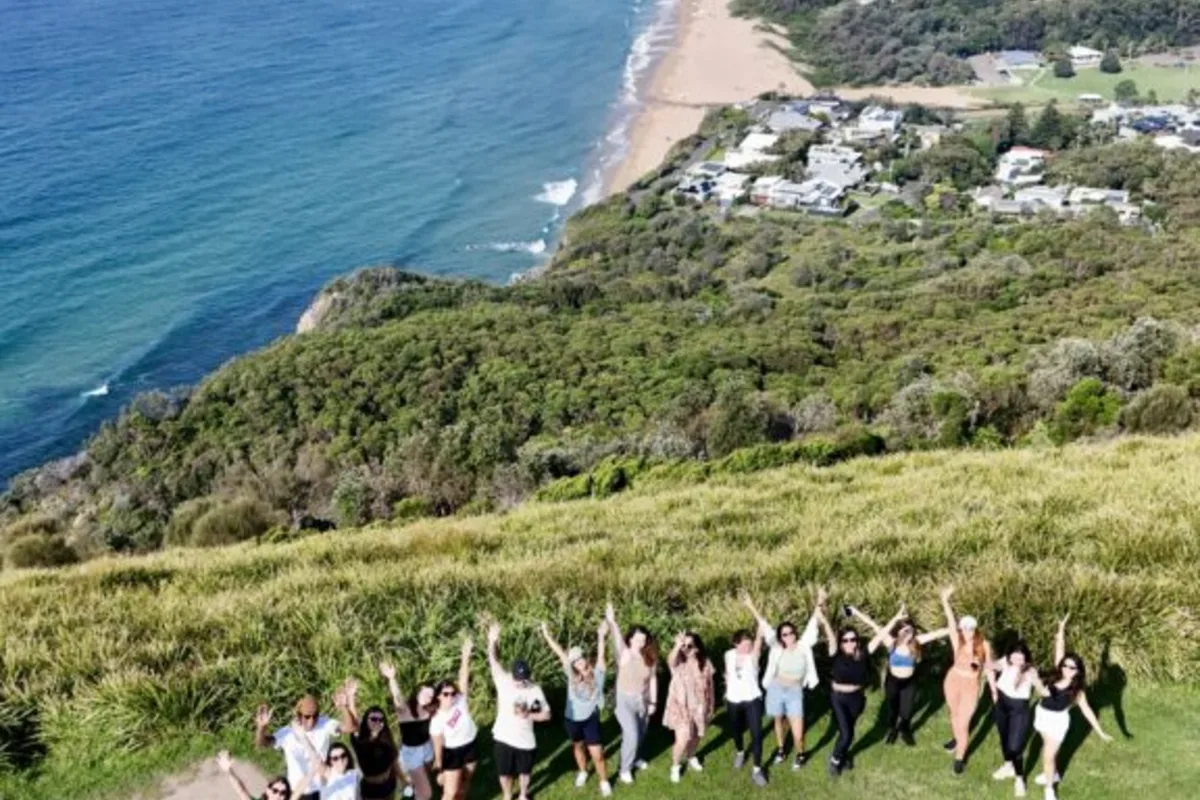
Australia is one of the most sought-after destinations for Brazilians looking to study, work or live an unforgettable international experience. The Brazilian community in Australia has grown to over 70,000 people (Department of Home Affairs, 2023), with the largest concentrations in Sydney, Melbourne, Brisbane and the Gold Coast. Whether it's the vibrant cities, the stunning nature, or the work-life balance — the appeal is real. But arriving prepared makes all the difference. Here are the most practical tips for Brazilians heading to Australia in 2026.
1. Documents and Visa
- Valid visa: The type depends on your purpose — tourism, study or work. The most common for Brazilians is the Student Visa, which allows part-time work during studies.
- Up-to-date passport: Check the expiry date well before you travel.
- International Driving Permit (IDP): Essential if you plan to drive in Australia.
2. Language Adaptation
Even those who have studied English may struggle at first because of the Australian accent. Don't be embarrassed to ask people to repeat themselves — Australians are generally friendly and patient. Consume local content (TV, radio, podcasts) to tune your ear, and use daily life as your classroom.
3. Cost of Living and Financial Planning
- Australia has one of the highest costs of living globally — Sydney typically ranks in the top 20 most expensive cities (Numbeo, 2025).
- Single-room rentals in Sydney average A$300–A$500/week; shared room from A$200/week (Flatmates.com.au, 2025).
- Plan an initial savings buffer of A$8,000–A$15,000 for 3 months of expenses before arriving.
- Weekly grocery budget for one person: A$80–A$120 (ABS Household Expenditure Survey).
- Take advantage of weekly specials at Coles, Woolworths and Aldi, plus farmers' markets on weekends.
4. Work for Students and Newcomers
- With a Student Visa, you can work up to 24 hours per week during term time.
- Hospitality, cleaning, construction and delivery usually have the most openings for newcomers.
- Prepare a resume in Australian format — no photo, focused on practical experience.
5. Transport and Getting Around
Public transport is efficient and well connected, but each state has its own card — Opal in Sydney, Myki in Melbourne. Bicycles and scooters are popular in smaller cities. If you drive, remember: in Australia you drive on the left side of the road.
6. Culture and Lifestyle
- Australians highly value work-life balance — make the most of parks, beaches and trails.
- Punctuality matters: being late is not well regarded in professional settings.
- Respect shared spaces: no smoking in public areas, keep spaces clean.
7. Health and Insurance
Students on a Student Visa must have Overseas Student Health Cover (OSHC). For tourism or working holidays, travel insurance is strongly recommended. Australia's public health system (Medicare) is excellent, but doesn't cover all situations for foreigners.
8. The Brazilian Community
The Brazilian community in Australia has grown roughly 30% over the last decade (DFAT, 2023). The Brazilian consulate operates in Sydney and there are active groups on Facebook, WhatsApp and local associations like ABRAS (Associação Brasileira de Sydney). Brazilian restaurants, churrascarias, food markets and social events are common in Sydney, Melbourne and Brisbane. Annual events include Brazilian Day Sydney (October) and Festa Junina celebrations across major cities. That support network is invaluable for arrival, but to fast-track your English, integrate with Australians from day one.
9. Exploring Australia with Bilingual Guides
Once you arrive, exploring beyond the city is one of the best ways to settle in. Many tour operators in Sydney offer trips to Hunter Valley, Blue Mountains, Jervis Bay and Port Stephens — but small-group tours with bilingual EN/PT guides are rare. If you're still working on your English or travelling with Brazilian family visiting, look for operators who advertise Portuguese guides (we're one of them). The comfort of having someone explain Australian wildlife, history and culture in your native language makes the experience deeper.
Sources and further reading
- Department of Home Affairs, Brazilian community profile (https://www.homeaffairs.gov.au)
- Department of Foreign Affairs and Trade (DFAT), Brazil country brief (https://www.dfat.gov.au/geo/brazil)
- Australian Bureau of Statistics (ABS), Household Expenditure Survey (https://www.abs.gov.au)
- Flatmates.com.au, share housing rental data (https://flatmates.com.au)
- Numbeo, cost of living index (https://www.numbeo.com)
- Department of Home Affairs, visa subclass information (https://immi.homeaffairs.gov.au)
Living in Australia is an enriching and transformative experience. With planning, a willingness to learn and cultural openness, Brazilians don't just adapt — they thrive. Whether you're here to study, work or just visit, Australia is waiting for you.

Founder & Tour Guide, 77 Tours · Sydney, Australia · English & Portuguese