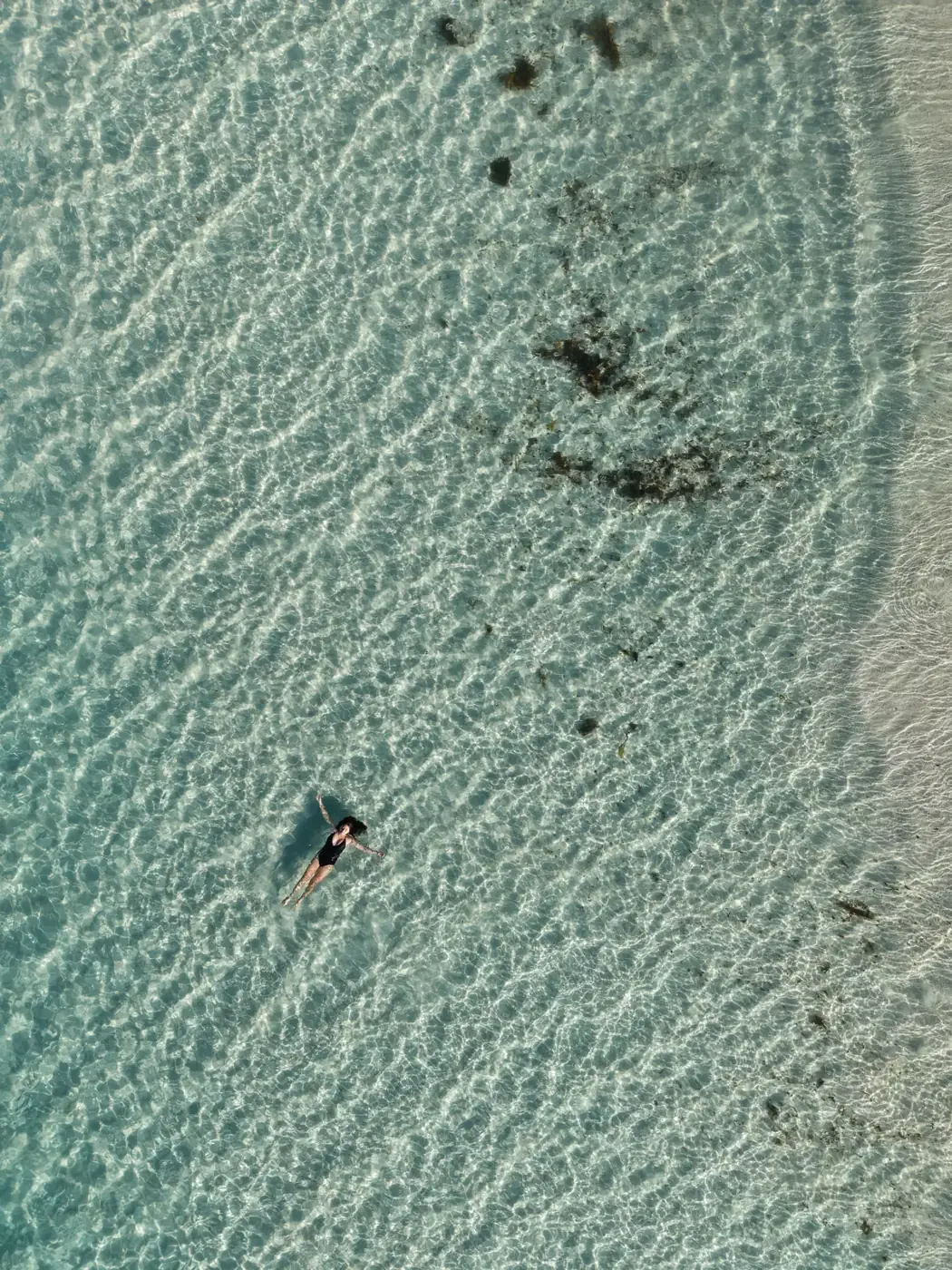
Short answer: the best things to do in Jervis Bay are walking on the white sand of Hyams Beach, swimming and snorkelling in the calm water of the bay, seeing wild kangaroos in the national park and doing the White Sands Walk between beaches. If you’re coming from Sydney, it’s about three hours’ drive south, so it works as a long day trip, with the Sea Cliff Bridge, Kiama and Berry on the way.
Below is a practical guide: what to see, how to get there with or without a car, what it costs, when to go and what to bring.
Where is Jervis Bay?
Jervis Bay is a large, sheltered bay on the South Coast of New South Wales, about 180 to 200 km south of Sydney. It isn’t a single town: it’s a region of small seaside villages such as Huskisson, Vincentia and Hyams Beach, surrounded by two national parks:
- Jervis Bay National Park, on the northern and western side of the bay (managed by NSW National Parks);
- Booderee National Park, on the southern tip, which is Commonwealth land and charges a vehicle entry fee.
Because the bay is almost enclosed, the water inside it is usually much calmer than at Sydney’s ocean beaches. That makes a big difference if you want a relaxed swim or to try snorkelling for the first time.
Things to do in Jervis Bay: the must-dos
1. Hyams Beach and its famous white sand
Hyams Beach is the postcard of the region. It’s famous for some of the whitest sand in the world: fine quartz sand that squeaks under your feet. On a sunny day the water turns a shade of blue that barely looks real. (There’s no official world record, but you won’t be disappointed.)
Quick tips:
- Arrive early on summer weekends. The village is small and parking fills up fast. Our Hyams Beach day trip guide has more on timing and parking.
- Wear sunglasses. The white sand reflects a lot of light, and the Australian sun is strong even on cloudy days.
- Take everything home with you. There are few facilities on the sand, and locals take looking after the beach seriously.
2. Wild kangaroos
For many visitors this is the highlight of the day. In Jervis Bay you can see eastern grey kangaroos in the wild, grazing on grassy areas near the beaches and picnic spots, especially in the late afternoon.
Golden rules: keep your distance, don’t feed them (human food makes them sick) and never get between a mother and her joey. With a little patience you’ll get great photos without getting close.
3. Snorkelling in calm, clear water
The clear water of the bay is great for snorkelling, even for beginners. Around the rocks you’ll often see schools of fish. In January the average water temperature is around 22 °C: refreshing, but far more comfortable than in winter.
4. The White Sands Walk and Scribbly Gum Track
If you like a walk, this is the most popular one in the area. The loop is about 2.5 km and takes 30 minutes to 1.5 hours, starting from the Greenfield Beach picnic area in Jervis Bay National Park. You go out along the water (the White Sands Walk), past white-sand beaches to near Hyams Beach, and come back through the bush (the Scribbly Gum Track), which has more steps and a bit more climbing.
5. Huskisson and the dolphins
Huskisson (“Husky” to the locals) is the main village on the bay, with cafés, fish and chips and the wharf where the boat trips leave from. Jervis Bay has a resident population of bottlenose dolphins, and dolphin-watching cruises run from Huskisson all year.
Between about April and November, humpback whales also pass along the coast, and local operators run dedicated whale-watching trips. These cruises take around two hours and are booked separately. If a cruise is your main goal, book ahead and set aside a day (or a weekend) for it.
6. Booderee National Park
On the southern tip of the bay, Booderee has some of the most beautiful beaches in the area, such as Murrays Beach and Green Patch, plus lookouts like Hole in the Wall. Entry is charged per vehicle: A$20 for a day pass (annual passes are also available), bought online from Parks Australia. Walking or cycling in is free.
Stops worth making on the way from Sydney
Part of the fun of the day trip is that the road to Jervis Bay passes some of the best spots on the NSW coast:
- Bald Hill Lookout: a clifftop lookout with sweeping views of the coastline. It’s a hang-gliding spot, so you may see paragliders.
- Sea Cliff Bridge: the bridge that curves out over the ocean alongside the cliffs, one of Australia’s classic coastal photos.
- Kiama: a coastal town with a lighthouse and the famous blowhole, which shoots sea water into the air when the swell is up. See our Kiama Blowhole guide.
- Berry: a small heritage village, perfect for a coffee and a short stroll on the way home.
How to get to Jervis Bay from Sydney
By car
The most flexible option: about three hours each way via the M1 and the Princes Highway, not counting stops and traffic. That’s around six hours of driving in one day. Budget for fuel, tolls leaving Sydney (depending on your route) and the Booderee pass if you plan to enter the park.
By train and bus
It’s possible by public transport, but it takes planning. South Coast Line trains run from Central to Bomaderry (Nowra) in about 2 hours 40 minutes to 3 hours, usually with a change at Kiama, and you can pay with Opal or a contactless card. From Bomaderry you need a local bus to Huskisson or Vincentia.
The catch: trains to Bomaderry run every one to two hours, and local buses are limited, especially on weekends. Reaching Hyams Beach and the kangaroo spots without a car is hard, so you spend much of the day in transit.
On a day tour from Sydney
If you don’t have a car, don’t want to drive on the left, or simply want to enjoy the day without the logistics, a tour is the easiest option. You make all the stops on the way and reach Jervis Bay at the best time of day. Our Jervis Bay day trip guide compares driving and touring in more detail.
When to go to Jervis Bay
- Spring (September to November): pleasant weather, fewer people, and whales still pass the coast until November.
- Summer (December to February): the best time for swimming and snorkelling, but also the busiest. Avoid Christmas, New Year and Australia Day if you can, and book ahead.
- Autumn (March to May): the water is still mild, days are calmer and beaches quieter.
- Winter (June to August): too cold for most swimmers, but great for walks, whales and photos without the crowds.
What to bring
- Swimwear and a towel (wear your swimmers under your clothes)
- Sunscreen, a hat and sunglasses: UV in an Australian summer is extreme
- A reusable water bottle
- Comfortable shoes or sandals for the walks and rocks
- A dry change of clothes for the trip home
- Cash or card for lunch and a coffee in Berry or Huskisson
- A charged phone (you’ll take a LOT of photos)
Jervis Bay in one day with 77Tours
77Tours is a small, family-run tour company, and our Jervis Bay Day Tour from Sydney covers all of the above in one relaxed day. We leave Surry Hills (near Central Station) at 7:00am and stop at a waterfall near Stanwell Park, Bald Hill, the Sea Cliff Bridge, Kiama and Gerringong, then enjoy free time at Hyams Beach to swim and snorkel, meet wild kangaroos in the national park, and finish with coffee in Berry. We’re back in Sydney around 6:30pm.
Groups are capped at 11 people. National park entry, snorkel gear, water, sunscreen and a snack bag are included, and you get professional photos and drone footage (where flying is permitted) the same day. Lunch is at your own expense, at a stop with plenty of options. Prefer a day just for your family or friends, with hotel pick-up? Have a look at our private tours.
Comparing destinations? See Jervis Bay vs Bondi Beach or our guide to the best day trips from Sydney.
Frequently asked questions
Can you see Jervis Bay in a day from Sydney?
Yes. It’s about three hours’ drive each way, so it’s a long day, but you can comfortably see Hyams Beach, have a swim, see kangaroos and still stop at Kiama and the Sea Cliff Bridge on the way. Ideally leave around 7:00am.
Do you have to pay to visit Jervis Bay?
Hyams Beach and the villages are free to visit. Booderee National Park charges A$20 per vehicle for a day pass. The official site doesn’t mention a fee for the White Sands Walk in Jervis Bay National Park. On the 77Tours day tour, national park entry is included.
Does Hyams Beach really have the whitest sand in the world?
It’s famous for some of the whitest sand in the world, but there’s no official record. What we can promise is that on a sunny day the white sand and turquoise water are spectacular.
Is it safe to swim in Jervis Bay?
Generally the water inside the bay is calm and good for swimming. Still, follow the signs, don’t swim alone, and watch out for bluebottles, which sometimes wash in during summer with north-easterly winds. Where there are lifeguards, swim between the flags.
Will I definitely see kangaroos?
Nothing in nature is 100% guaranteed, but in Jervis Bay the chances are very high, especially in the late afternoon. On our tour we visit a spot in the national park where kangaroos usually graze, and sightings are almost guaranteed.
Can I see dolphins in Jervis Bay?
Yes, Jervis Bay has a resident pod of bottlenose dolphins. The best way to see them is a dolphin-watching cruise from Huskisson, which is booked separately. Our day tour doesn’t include a cruise: it focuses on Hyams Beach, snorkelling, kangaroos and the coastal stops.
What is the best beach in Jervis Bay?
Hyams Beach is the most famous. Murrays Beach and Green Patch in Booderee National Park are also beautiful and usually quieter.
Questions, or need help choosing a date? Message us on WhatsApp or Instagram and we’ll be happy to help.

Founder & Tour Guide, 77Tours · Sydney, Australia · English & Portuguese